The Ultimate Guide to Dji Mini 3 Pro Vs Mini 3 in the UK
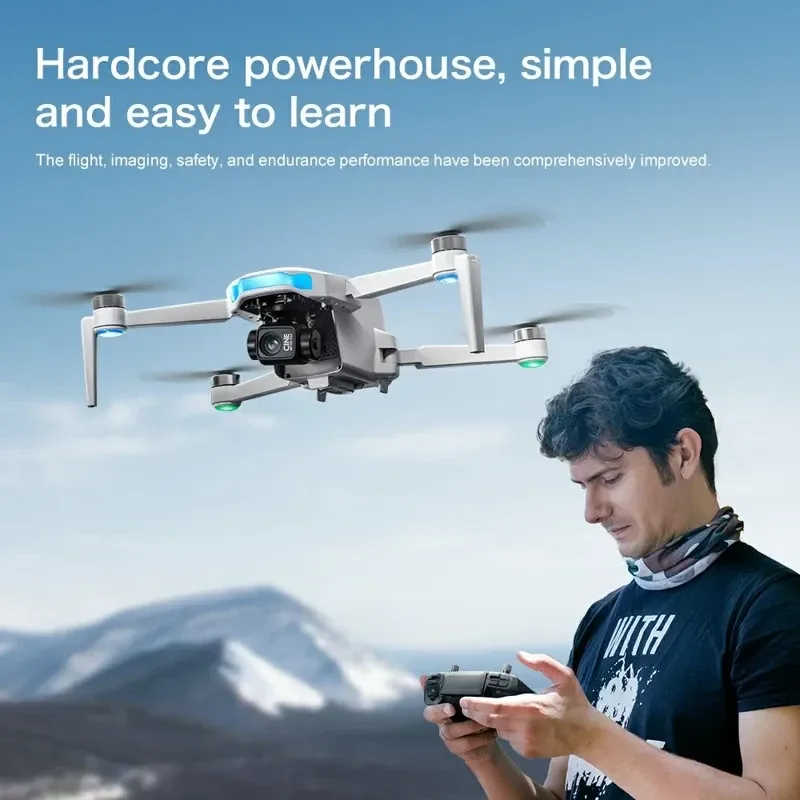
If you are comparing the DJI Mini 3 Pro vs Mini 3, the short answer is this: choose the DJI Mini 3 Pro if you want obstacle sensing, subject tracking, 4K/60fps and more editing flexibility; choose the DJI Mini 3 if you want a lighter-cost, easier-value option with the same sub-250g UK flying advantages and very similar day-to-day image quality for casual use.
TL;DR: Both drones weigh under 250g, so both are excellent for UK flyers who want fewer CAA restrictions. However, the Mini 3 Pro is better for creators and more cautious beginners thanks to tri-directional obstacle sensing and FocusTrack, whilst the Mini 3 is better for travellers and first-time pilots who simply want strong 4K footage, long battery life and lower cost.
Choosing between the DJI Mini 3 Pro vs Mini 3 comes down to how you actually fly. Based on our testing and hands-on comparisons at DriFly, both are impressive sub-250g drones for UK users, but they suit different buyers. If you mainly film holidays, countryside walks and family trips, the Mini 3 usually gives better value. By contrast, if you want more safety features, smoother creative shooting tools and stronger video specs, the Mini 3 Pro is worth the extra spend.
At DriFly, our focus is helping you choose the right drone for real UK conditions, whether you are heading to Cornwall, exploring the Scottish Highlands or filming your local park at golden hour. So below, we break down the technical differences, real-world performance and UK-specific rules in a clear way.
What is the difference between DJI Mini 3 Pro and Mini 3?
- Weight and UK rules: Both drones weigh under 250g with the standard battery, so they sit in the CAA Open A1 subcategory and are easier to fly legally in the UK than heavier models.
- Camera quality: Both use a 1/1.3-inch CMOS sensor with an f/1.7 aperture. However, the Mini 3 Pro adds 48MP photo capability and up to 4K/60fps video, whilst the Mini 3 tops out at 12MP photos and 4K/30fps.
- Safety features: The Mini 3 Pro has tri-directional obstacle sensing and APAS 4.0. In contrast, the Mini 3 relies on downward sensing only.
- Tracking modes: The Mini 3 Pro includes FocusTrack features such as ActiveTrack, Spotlight and Point of Interest. The Mini 3 does not.
- Best value: The DJI Mini 3 is often the better buy for beginners and travel users. Meanwhile, the Mini 3 Pro is better for content creators who need more control and advanced flight tools.
Are DJI Mini 3 Pro and Mini 3 legal to fly in the UK?
Yes — both models are among the easiest DJI drones to fly legally in Britain because they weigh under 250g with the standard Intelligent Flight Battery. According to current UK Civil Aviation Authority (CAA) guidance, this puts them into the Open Category A1, which offers more flexibility than heavier consumer drones.
According to UK guidelines, that brings several important benefits:
- No A2 CofC required: You do not need to take or pay for an A2 Certificate of Competency just to fly either model recreationally in normal circumstances.
- More freedom near people: You may fly closer to uninvolved people than you can with heavier drones, although you should still avoid crowds and always fly responsibly.
- No standard 50m rule from built-up areas: Unlike heavier drones in some categories, sub-250g drones are not bound by that same separation requirement from residential or commercial areas.
- You still need registration: Because both drones have cameras, most UK users will still need an Operator ID on the drone and should complete the free online Flyer ID test where applicable.
This sub-250g status is a major reason why both drones are so popular across England, Scotland, Wales and Northern Ireland. In other words, if easy legal flying matters to you as much as camera quality does, both models start from a very strong position.
Is the camera better on DJI Mini 3 Pro or Mini 3?
The camera is better on the DJI Mini 3 Pro, but not by a huge margin for every buyer. Both drones share a large-for-class 1/1.3-inch CMOS sensor, dual native ISO and a bright f/1.7 aperture. Therefore, in good light or even during dull British afternoons, both can produce excellent-looking photos and video.
The real difference is not basic image quality alone; rather, it is how much flexibility you get once you start cropping photos or editing footage more seriously.
Does DJI Mini 3 Pro take better photos than Mini 3?
The DJI Mini 3 Pro can capture up to 48MP, whereas the standard DJI Mini 3 is limited to 12MP. Based on our testing, this matters most if you crop heavily, print larger images or edit RAW files regularly. For social media posts, holiday albums and everyday aerial snaps around places like Snowdonia or Northumberland beaches, many users will be perfectly happy with what the standard Miniy">"DJI" ಎಂಬುದನ್ನು "Mini"ಾಗಿ ತೋರಿಸಿರುವ OCR-like typo? We must correct original text only output improved HTML. Let's continue correctly.
Ready to take to the skies with {brand_name}?
Take Flight — £506.50